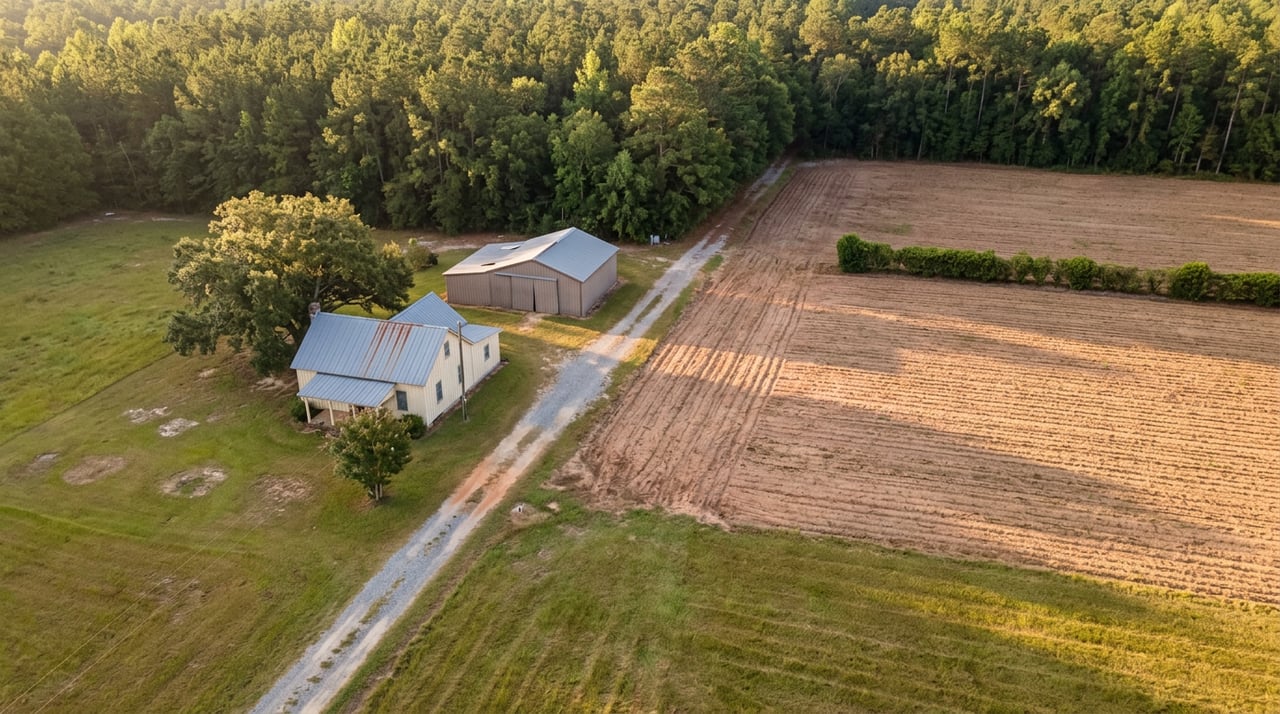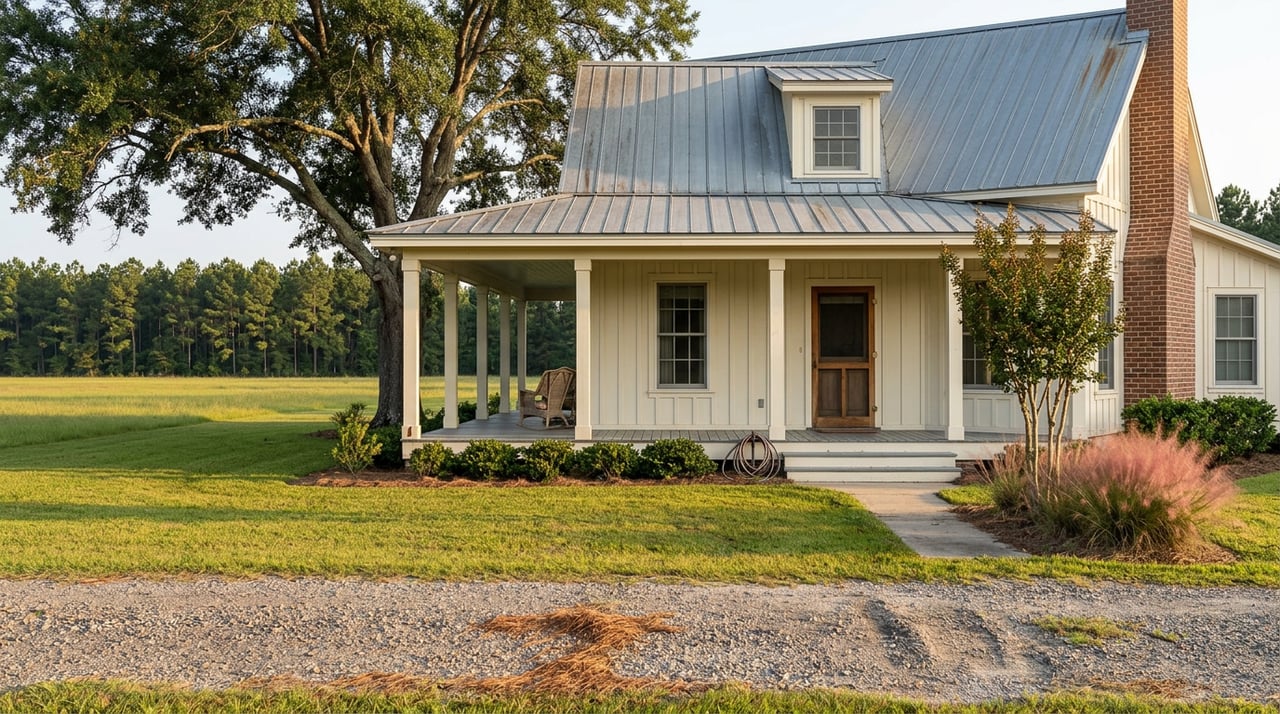
For 363 days a year, the fields off Pine Level Church Road look like every other stretch of farmland in northern Santa Rosa County. Rows of peanuts, a few outbuildings, maybe a tractor working a turnrow in the late afternoon light. Then, for one weekend every October, roughly 70,000 people find their way down a two-lane road 4.5 miles south of Jay to stand in that same field and eat boiled peanuts out of a paper sack.
If you've lived in Jay for any stretch of time, you already know the Jay Peanut Festival. You've probably been more than once. What most people haven't heard, because it isn't the kind of thing that comes up on a festival flyer, is why the Gabbert family started it in the first place, and what that origin still shapes about how the whole weekend runs.
It Started With a Loss, Not a Harvest
The festival dates back to 1990, the year Brenda and her husband's daughter, Melissa, died of cancer at 19. The Gabberts turned their grief into an annual gathering on their own farm, and it never stopped.
Brenda Gabbert has said as much herself, plainly, in the local paper covering the event nearly three decades in:
"It is a family festival we have in memory of our daughter, Melissa."
That single sentence changes how you read everything else about the weekend. The antique tractors, the pony rides, the gospel music on Sunday morning, the whole production traces back to one family's decision to keep showing up on their own land every fall rather than let a hard year define the rest. It's easy to walk through the gate and see a county fair. It's harder, and more accurate, to see a memorial that got big enough to need parking attendants.
A County Fair That Outgrew the County
Here's the part that tends to surprise people who didn't grow up nearby: this isn't a fairgrounds event with a budget line and a planning committee. It's held on 15 acres of working farmland, and it still pulls in about 70,000 people over two days, all for free admission and free parking.
To put that in perspective, that's a two-day crowd larger than most towns in this part of the Panhandle will ever see gathered in one place, arriving at a site with no permanent grandstands, no paved lots, and no year-round staff. The Gabbert family and a rotating crew of local volunteers build the whole thing from scratch every fall and take it back down when it's over.
The festival has been counting its years consistently enough that local papers tracked its 29th annual run in 2018 and its 30th, or "pearl," anniversary the following October. If that same yearly count has held since 1990, 2026 would mark somewhere around the 37th year of the tradition, assuming no gaps in the run. That's not a guess pulled from a press release. It's simple math from a founding year and two documented anniversary counts a decade apart, which is about as solid as unofficial counting gets for an event this size.
What You Actually Find When You Get There
The festival earns its reputation because it never trimmed down to the basics. Longtime attendees will recognize most of this list, but seeing it laid out together is a reminder of how much is packed into one farm over one weekend:
- Cow Patty Bingo, exactly what it sounds like, played out on a gridded field
- A 1930s Farm Museum and a replica 1940s John Deere dealership, both open all day both days
- Antique tractors, restored horse-drawn equipment, and a working sugar cane mill
- Peanuts prepared every way the crop allows: boiled, green, fried, and candied
- Pony rides, train rides, inflatables, and a pig chase for kids ages 4 to 12
- A Pet Dress-Up Parade and Contest, with past years awarding real cash prizes down to an honorable mention
That last one is a good example of how specific this event has always been. In 2018, first place in the pet parade paid $50, second paid $25, third paid $15, and honorable mention still got $10. Nobody organizes prize tiers like that for a generic craft fair. Somebody cared enough to make sure even the honorable mention walked away with something.
The Parking Lesson Every First-Timer Learns Once
If you've never been, the one thing nobody warns you about is the drive in. With tens of thousands of people converging on a rural farm road over a single weekend, traffic backs up well before the entrance, and the farm has had to run informal shuttle service in past years to move people from roadside parking down to the festival grounds. Locals who've made the trip more than once tend to arrive early, park where they're told the first time, and skip trying to find something closer.
It's not a complicated system, but it's also not one you want to learn on the fly with kids in the back seat and a 9 a.m. start time bearing down on you.
When to Go This Year
The festival has run on a consistent pattern for as long as local papers have covered it: the first weekend of October, Saturday and Sunday, gates open around 9 a.m. and close around 6 p.m. As of this writing, the exact 2026 dates hadn't been published yet. Since the calendar shifts slightly year to year, the surest way to confirm the weekend is to call the farm directly at 850-675-6823, or check with the Santa Rosa County Extension Service, which has helped promote the event for years alongside the Gabbert family.
Making a Day of It Beyond the Farm
If you're planning to spend the whole day in the area, Jay itself has a few spots worth building into the trip. Bigfoot Crossing Campground and Eatery, right in Jay, serves Brazilian-influenced food alongside an on-site bar, which makes for an unexpected but welcome stop before or after a few hours in the peanut field. For anyone who wants to stretch the weekend into Monday, Blackwater River State Forest sits close enough to turn a festival trip into a full weekend outdoors.
None of this is what you'll find on a generic "things to do" list for Santa Rosa County, because none of it has much to do with the county at large. It has to do with one farm, one family, and one road most of the year nobody outside Jay has any reason to drive down.
That's really the thing worth sitting with. The Jay Peanut Festival didn't get big because someone designed it to scale. It got big because a family kept a promise to a daughter they lost, year after year, on their own land, without changing the reason they started. Thirty-some years later, that reason is still the whole point. The rides and the pig chase and the antique tractors are what fills the field. The memory of Melissa Gabbert is what built it.
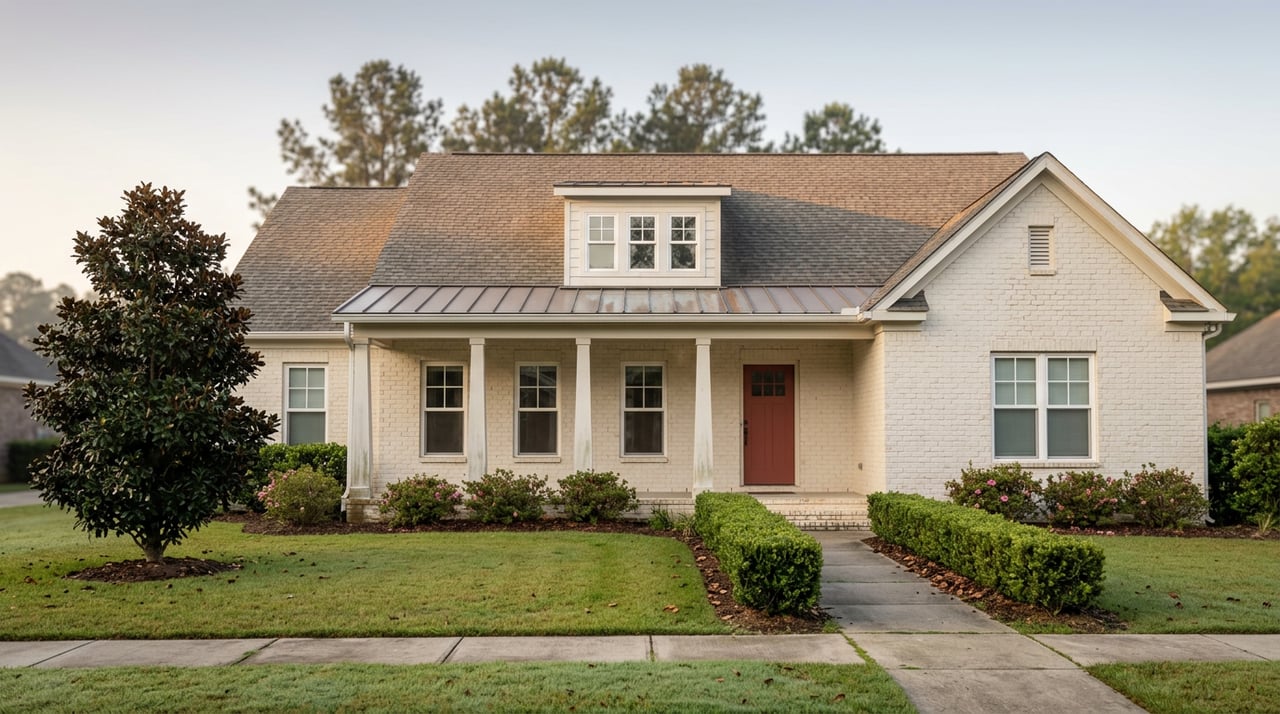
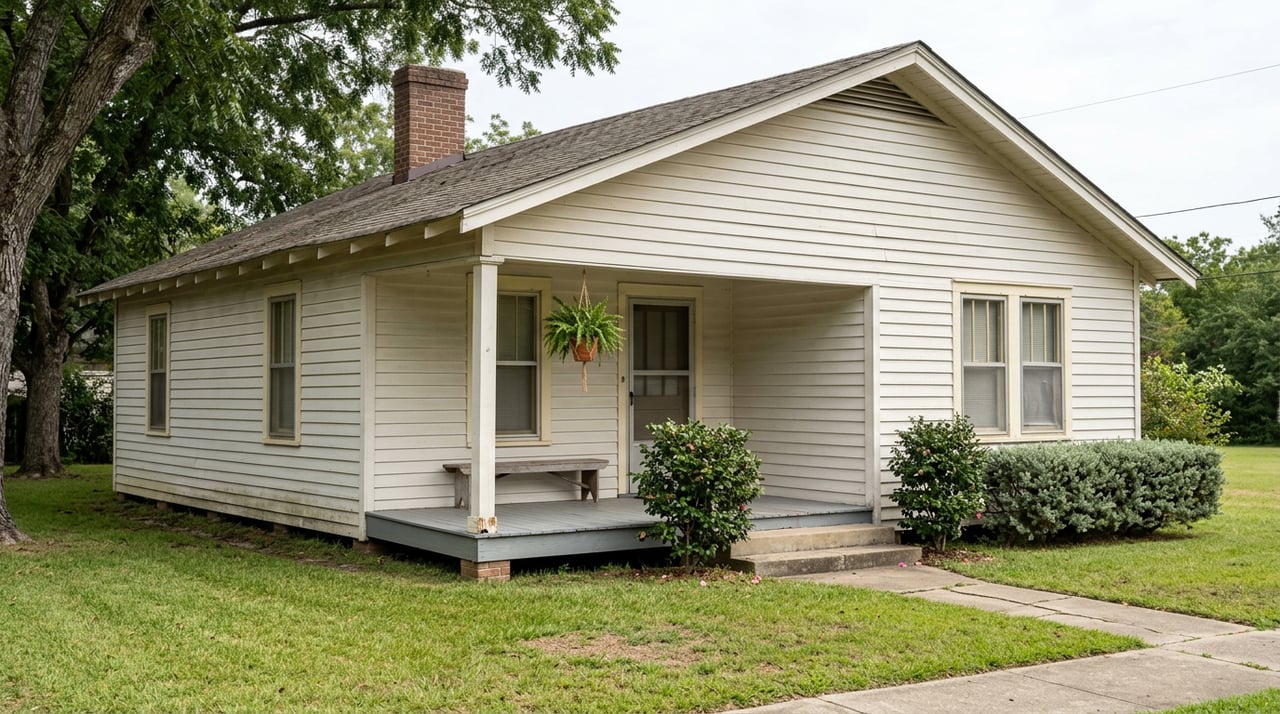
If you're already part of this community, you don't need anyone to tell you Jay is worth living in. But if you're weighing a move to this corner of Santa Rosa County, or you own land nearby and want to understand what makes a place like this hold onto people the way it does, the team at PHD Realty has spent years working these roads, these farms, and these small towns across South Alabama and Northwest Florida. Reach out when you're ready to talk about what living here actually looks like, peanut festival included.